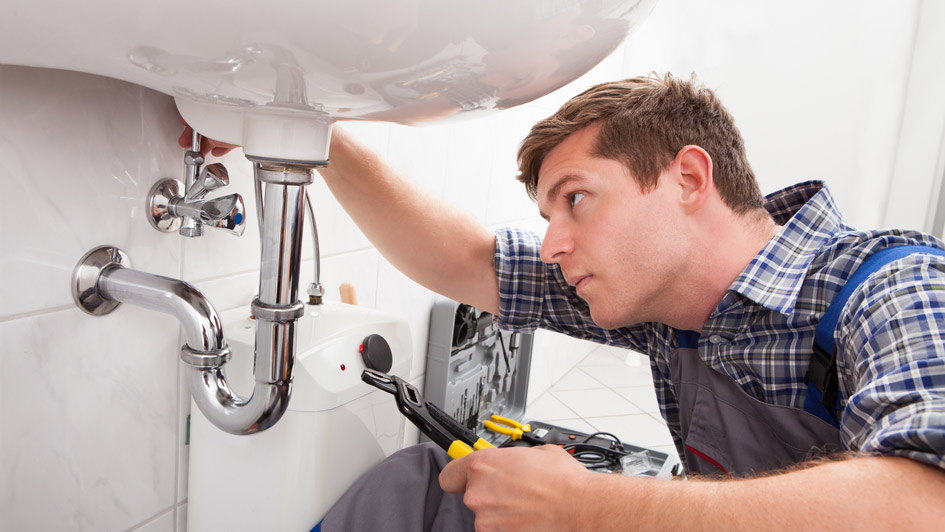
Hard water is a common problem for homeowners in and around Myrtle Beach. Unfortunately, it can do significant harm to your plumbing if left untreated.
Understanding the difference between hard water vs. soft water is the first step in protecting your plumbing, appliances and fixtures Below, the experts at Polar Air & Mechanical will define what hard water is, the warning signs you have hard water and how hard water affects your plumbing. Then, we’ll explain how we can protect your home.
What’s the Difference: Hard Water vs. Soft Water?
So, what exactly is hard water? It’s water that has elevated amounts of minerals like calcium and magnesium. These minerals are safe for consumption but can damage your plumbing.
By comparison, soft water has those minerals filtered out. Unlike hard water, soft water is doesn’tnot going to damage your plumbing system.
Signs You Have Hard Water in Your Home
Hard water often leaves telltale clues around your home:
- Whiteish mineral build-up on plumbing fixtures
- Reduced water pressure
- Dry skin or brittle hair
- Stiff or faded laundry
- Shampoo doesn’t lather up well
- Spots on glasses after washing in dishwasher
If you experienced any of these issues, call Polar Air & Mechanical for expert evaluation. Our knowledgeable staff will test your water hardness levels (grains per gallon/PPM), so we can accurately measure your water hardness and how to fix it.
Common Hard Water Effects on Plumbing
What’s the benefit in knowing if you are dealing with hard water in your home? Hard water causes minerals to stick to the inside of your pipes, which forms something called limescale.
Limescale buildup narrows the interior of your pipes, which can reduce water pressure and even cause clogs or damage.
The following are examples of the damage hard water limescale buildup can cause in your plumbing:
Pipe Damage and Leaks
Hard water scale buildup inside pipes can create irregular surfaces. This accelerates corrosion and increases the likelihood of small leaks. This is especially true in older metal plumbing.
Damage to Home Appliances
Mineral limescale buildup in your washing machine or boiler can result in costly damage. It forces these appliances to work harder by coating heating elements and parts with limescale, causing them to wear out faster.
Reduced Water Pressure
As limescale forms inside pipes, it chokes off water flow. You may notice signs of reduced water pressure, such as reduced spray strength or tubs requiring more time to fill with water.
Soap Scum Build-Up and Hard Water Stains
Another effect of hard water in your plumbing is stubborn soap scum and hard water stains:
- Soap scum: Appears when soap reacts with calcium and magnesium in hard water to create insoluble salts. This cloudy residue doesn’t dissolve.
- Hard water stains: Left behind when water evaporates and leaves minerals behind. It can appear as mineral rings on fixtures, as well as spots, streaks or rings in sinks, showers and bathtubs. It can even leave residue on your glassware in the dishwasher. Sometimes hard water stains have rust-colored staining if your water is also high in iron.
Find Ways to Protect Your Home from Hard Water with Polar Air & Mechanical
What can you do about hard water? From initial testing to prevention, Polar Air & Mechanical provides comprehensive hard water solutions in Myrtle Beach. We repair existing hard water damage, offering solutions such as descaling pipes and fixtures to remove stubborn mineral deposits and flushing appliances to restore performance and flow.
Our plumbing services also protect your home from future hard water problems by setting up a water softening system. We also can help you find the best filtration system to remove hard water for your home. These systems limit mineral buildup in pipes, providing clean, soft water.
Stop hard water damage today! Contact a local plumber from Polar Air & Mechanical by calling 843-484-3783 today!